
Every independent gaming festival and showcase in the year 2026 requires some kind of generative AI disclosure. That is great! Slop and vibe-coded games are a scourge, AI is a technofascist, anti-human and anti-art project, and it’s imperative to create spaces of resistance.
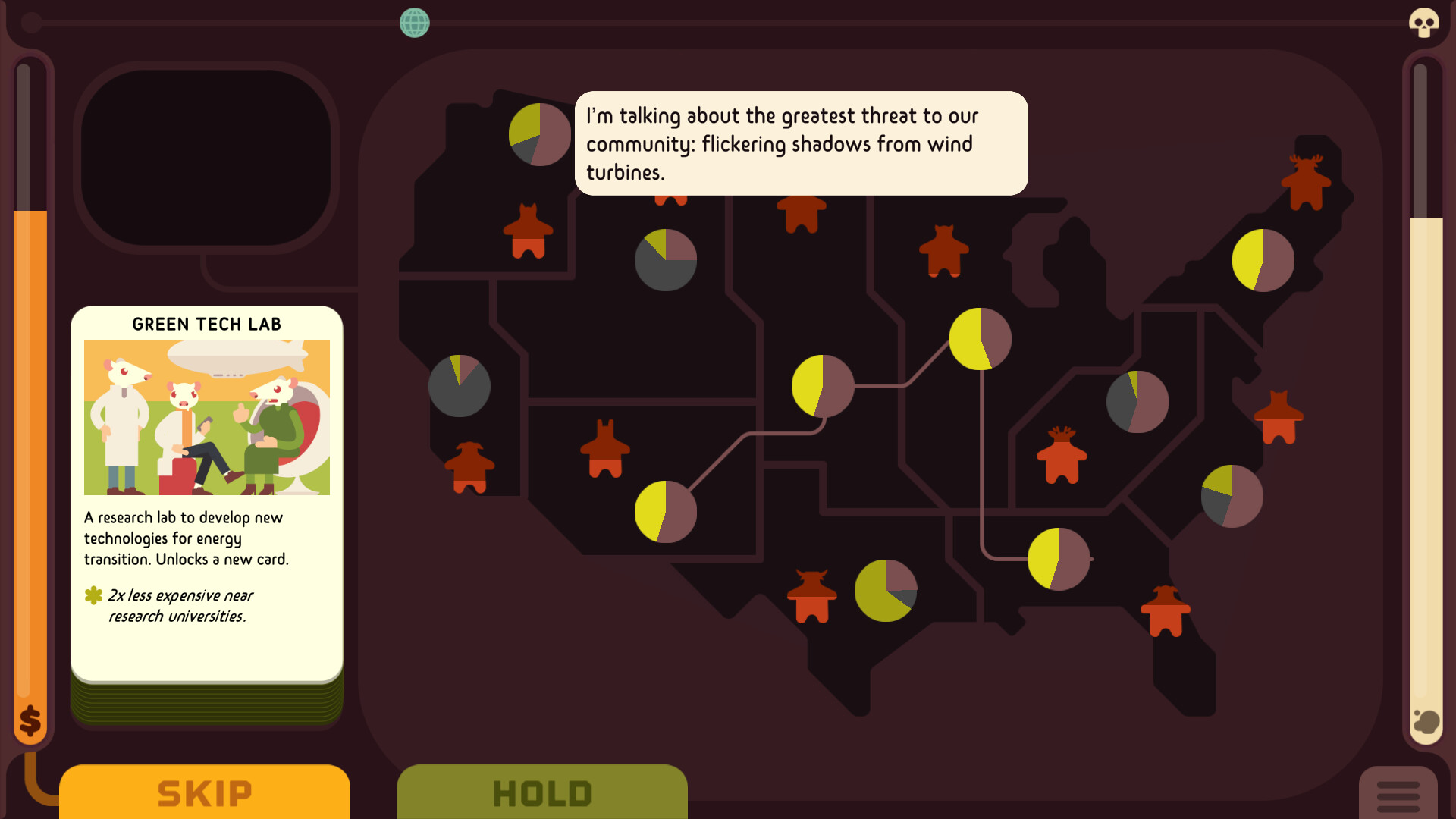
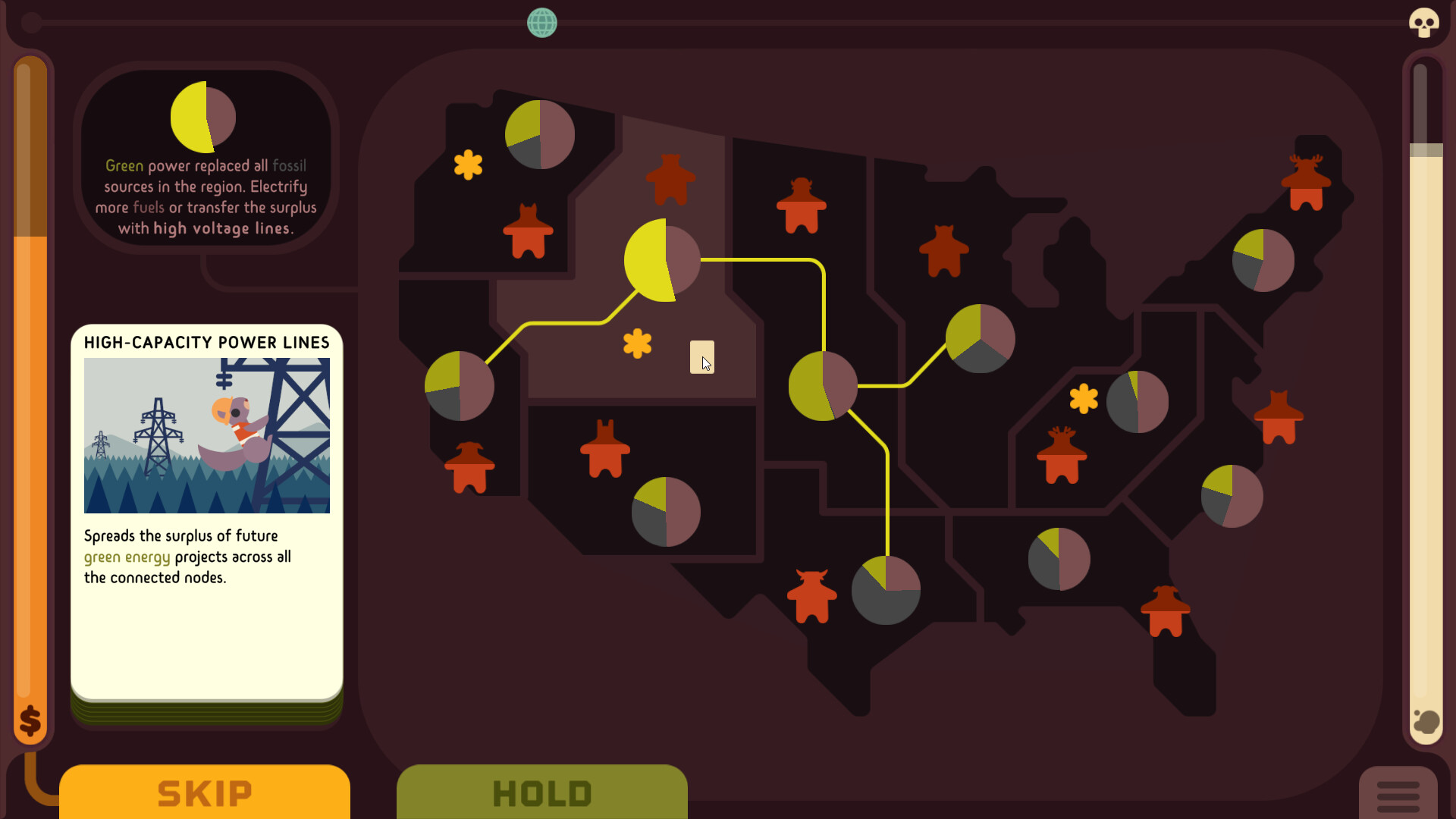
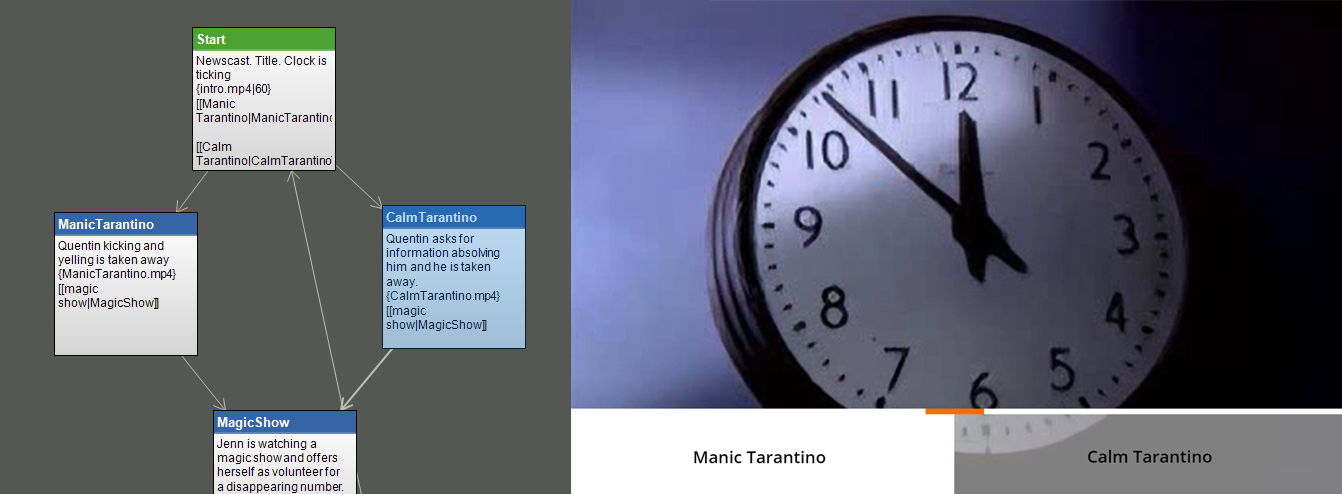
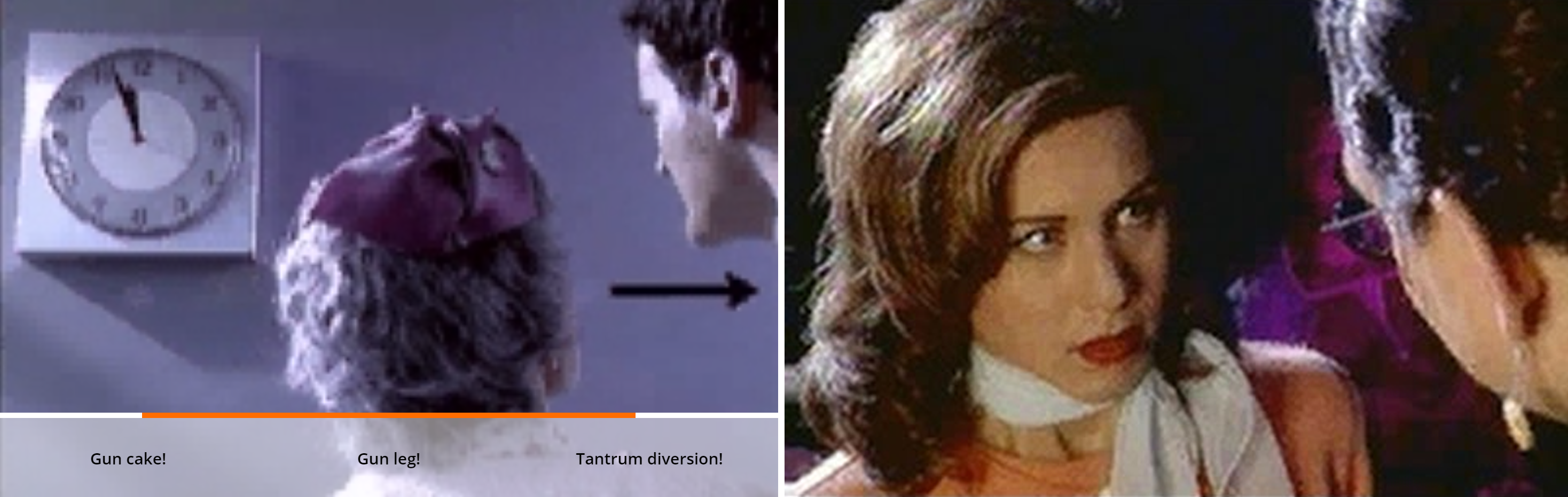
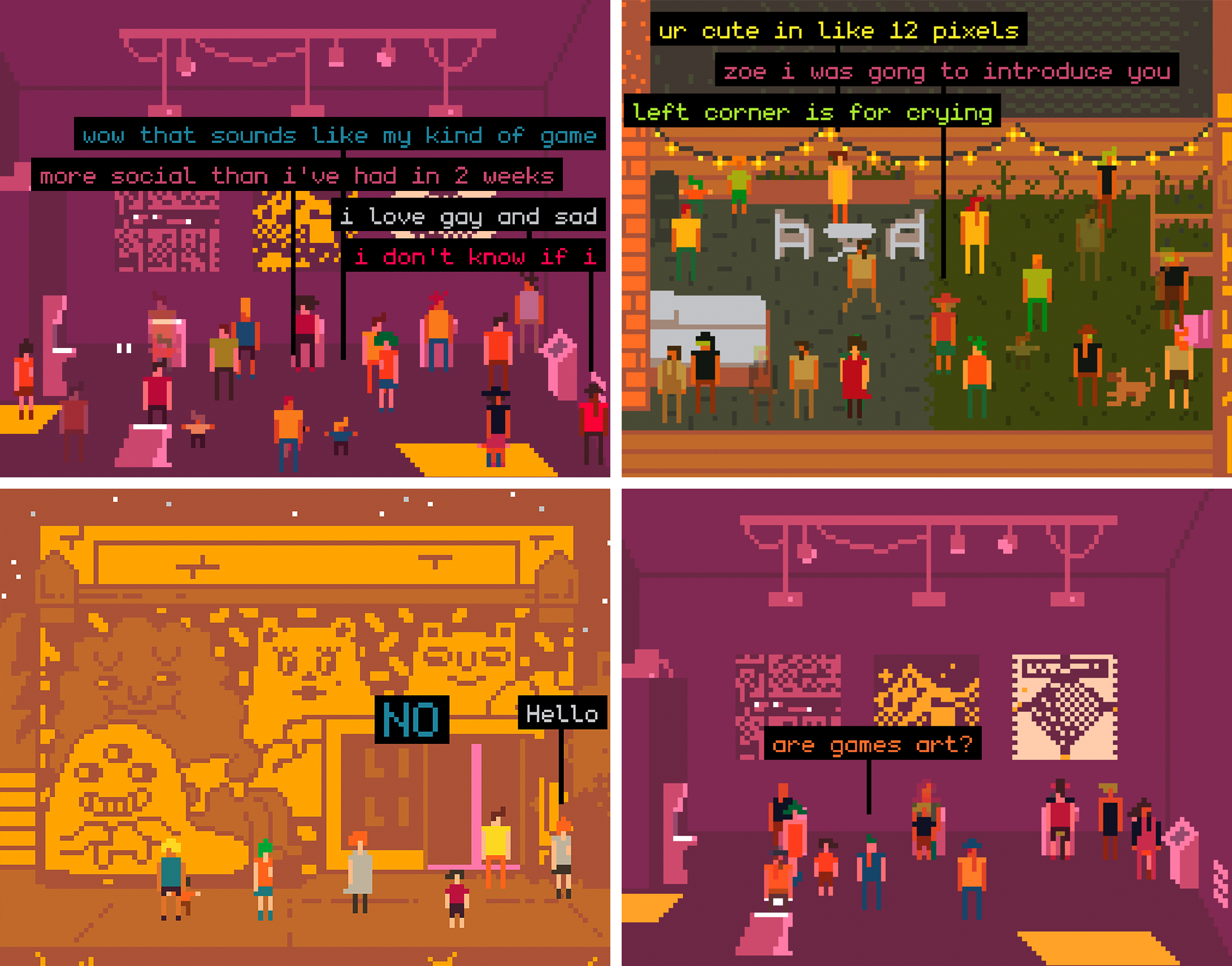
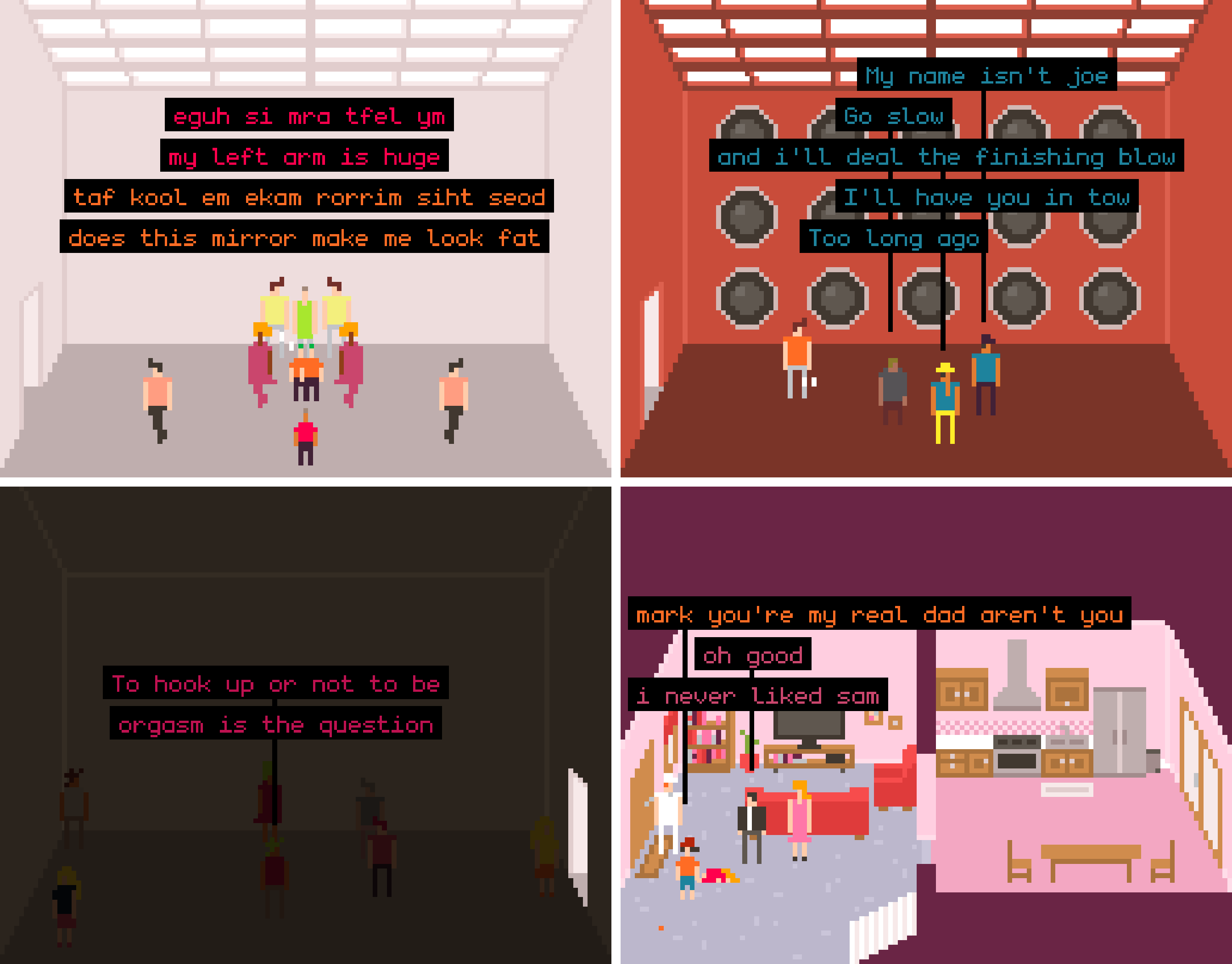
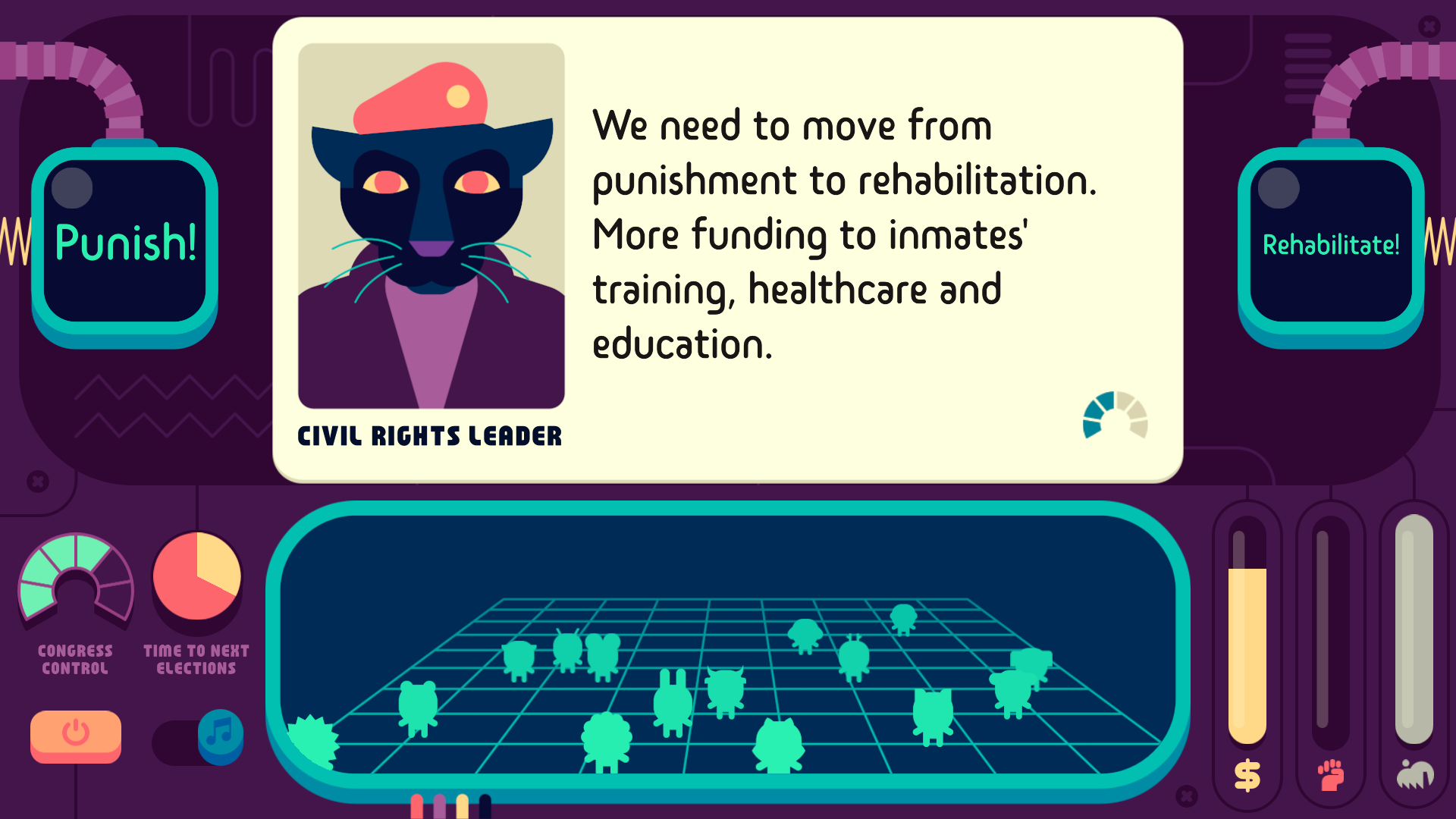
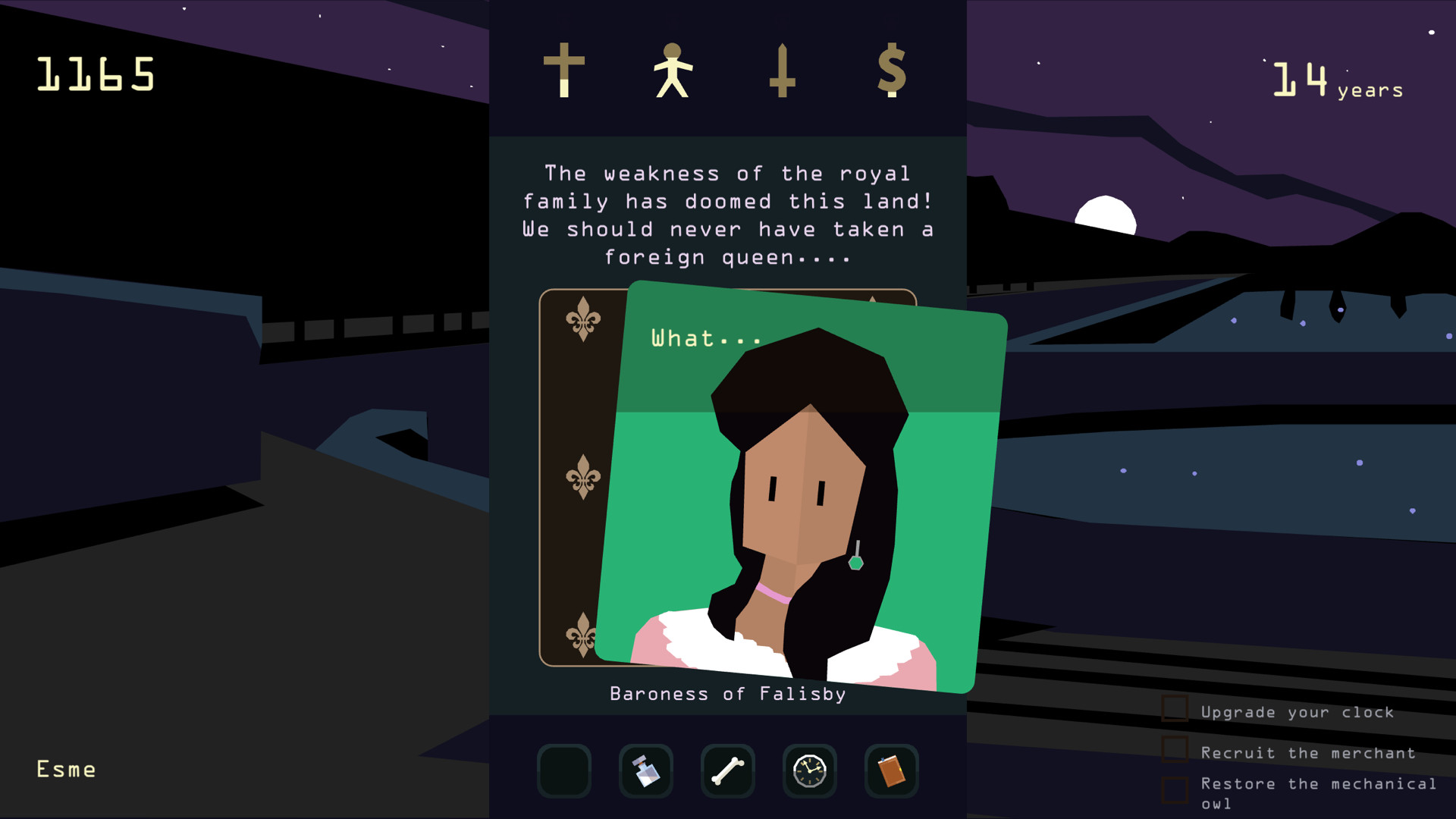
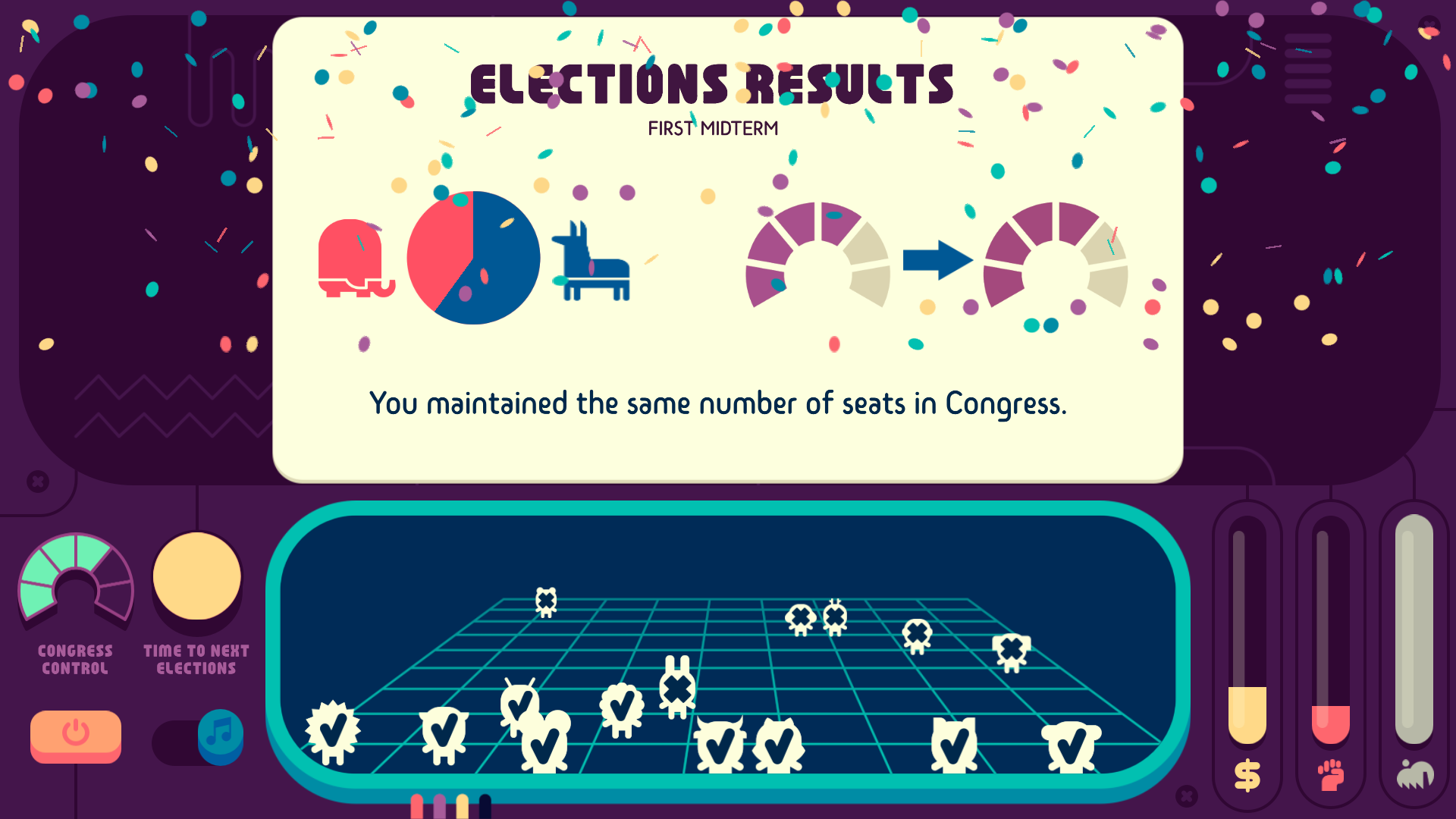
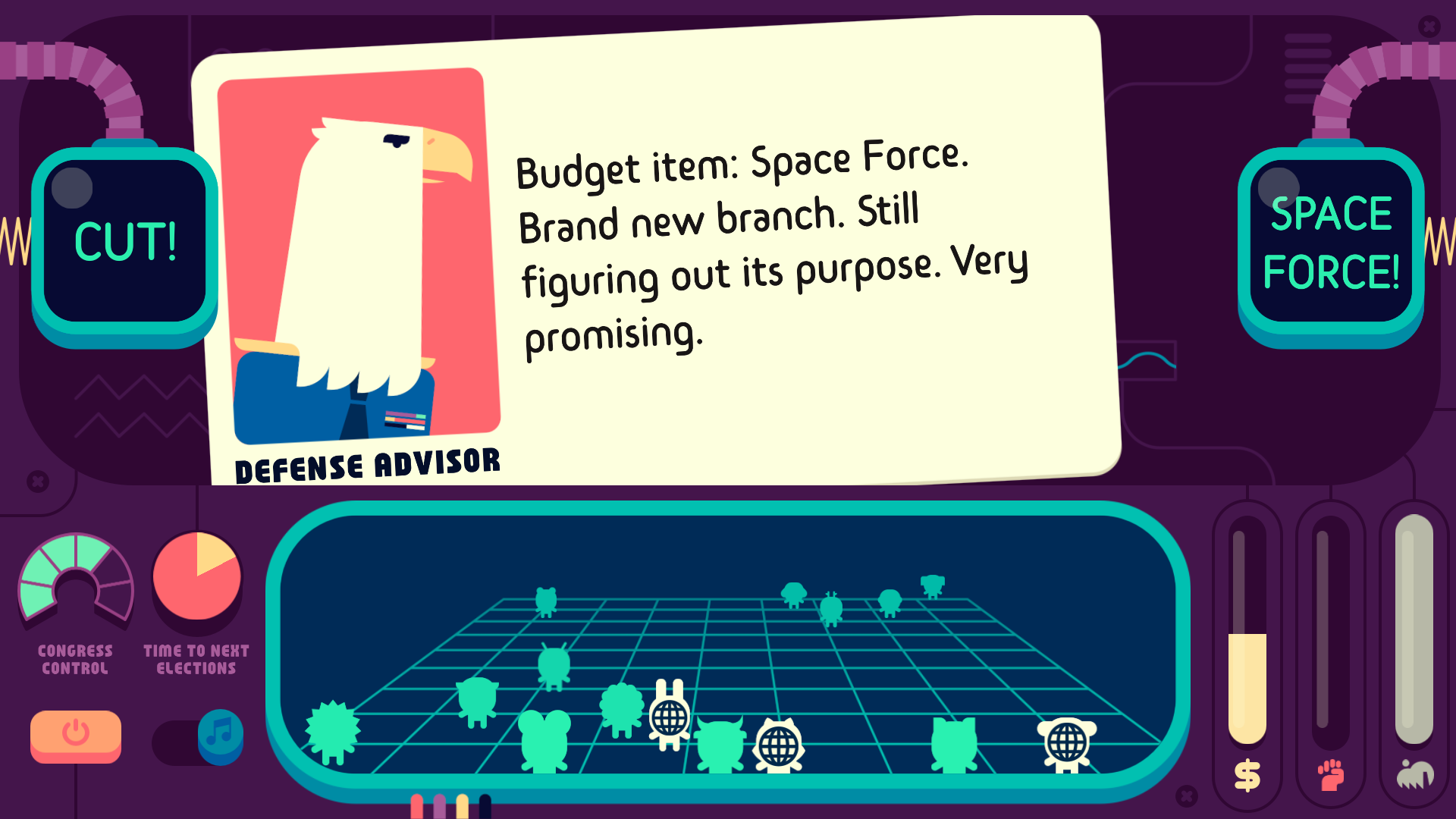
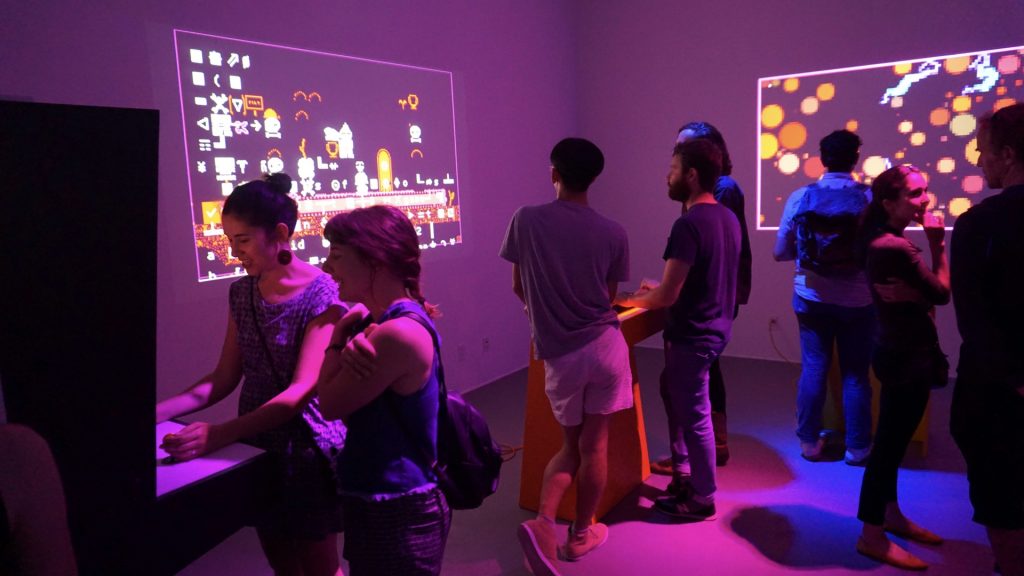
Future? No Thanks! is a game that tackles the impact and limits of artificial intelligence head-on. It satirizes generative AI and the careless ways it can be used, even in an enlightened ecosocialist world. It also dramatizes beneficial uses, such as coordinating a planned economy, voice recognition, and talking robots.
And yet, I can’t say it’s a 100% AI free game. Here’s the full breakdown:
– No art assets, words, or sounds were AI-generated.
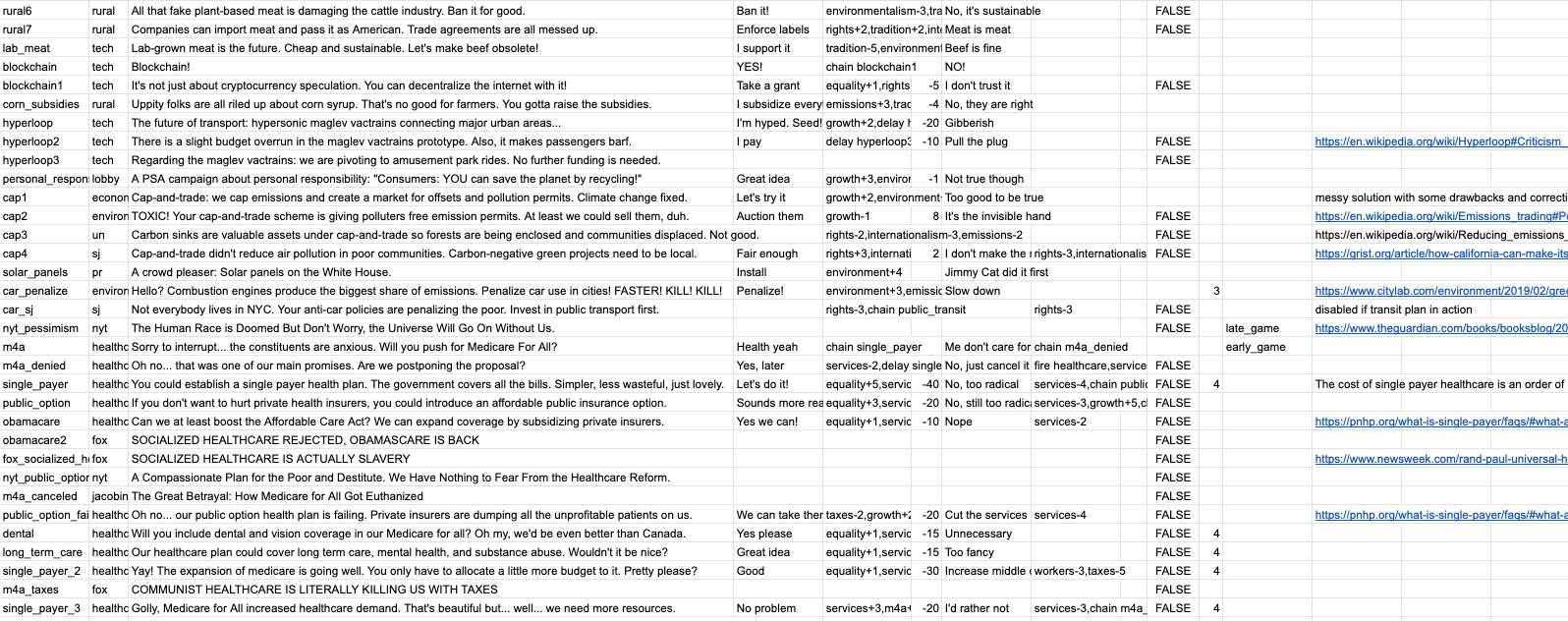
– About 99% of its code base was written before AI was even viable as a coding tool. Development started in 2021 and the last 2 years were mostly spent assembling the many dialogue scenes.
– A tiny fraction of its code was written with AI support in the late stage. Not vibe coded, but using ChatGPT or Claude as a powerful semantic search engine. Search engines have been enshittified to death, specific technical queries don’t yield meaningful results anymore. Most search engines produce low quality AI responses anyway. Such coding assistance was used for things like fixing a shader I didn’t write which broke after an update, or diagnosing a one-frame loading glitch when loading sequences. Finishing touches and minor debugging. Unlike assets that can be easily swapped, AI generated code is hard to remove once introduced. I can’t tell which lines I wrote, which were generated, and which were somewhere in between.
– There are two text-to-speech voices in the game. Text-to-speech used to be an uncontroversial technology and an early application of neural networks. Then the AI bros started commercializing AI voices as a way to replace human actors, so it’s now problematic.
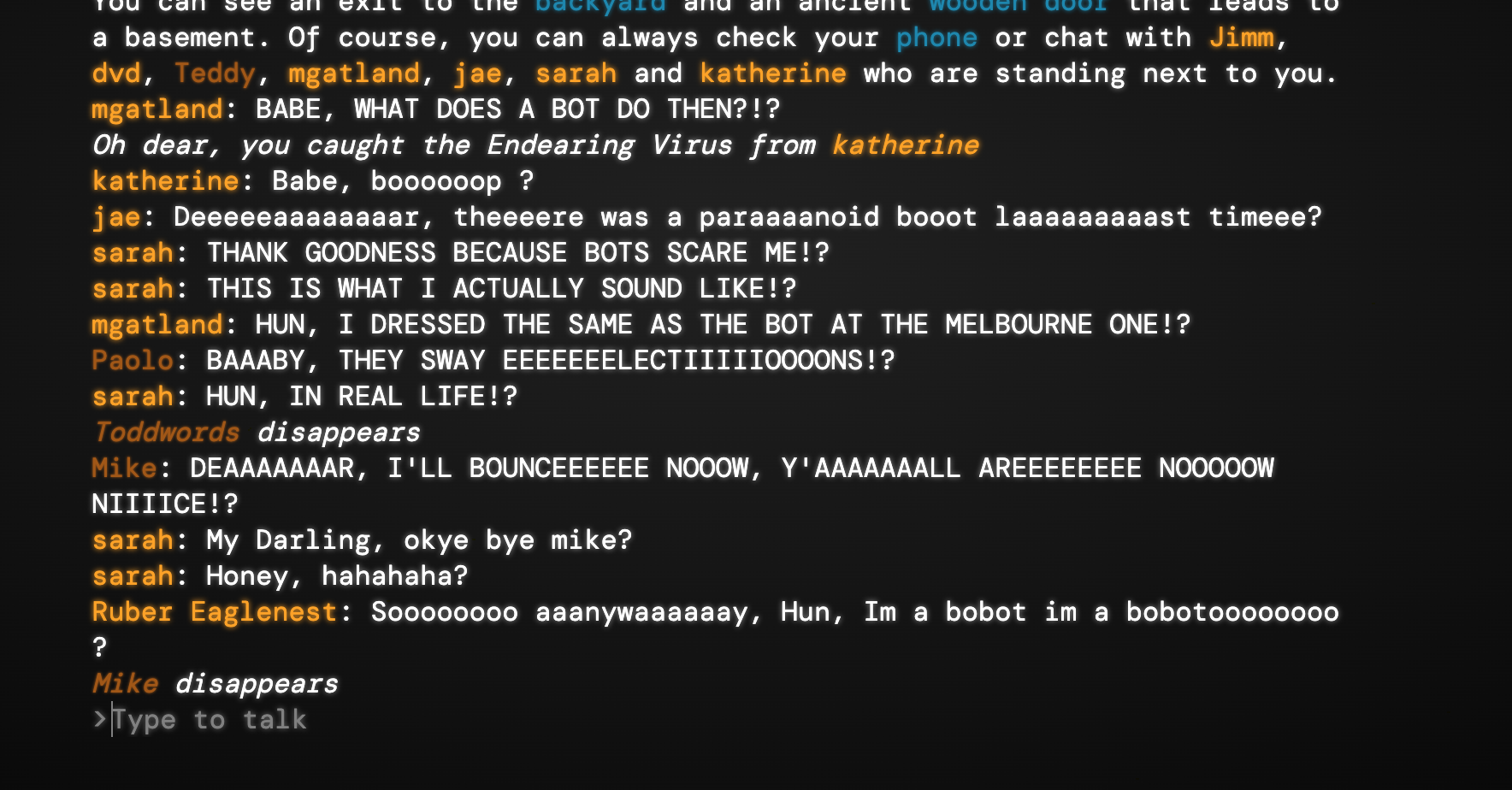
Over 4 hours of human-dubbed dialogues, there are about 2 minutes generated with ElevenLab voices. They are for an automated toilet and a personal assistant that mis-translates Roman idioms. The humor of these scenes relies on uncanny voices doing their job poorly. Human voices were recorded for both parts but they just weren’t working as well.

(Above, the translator voiced with uncanny text-to-speech)
– Early demos used to have 2 short music loops generated with Suno. They were fake doo-woop tunes whose lyrics said “AI”. They were supposed to make fun of losers who listen to slop. The self-referential lyrics were conceived as a kind of mandatory watermark this future society imposes to AI-generated music. I thought they were hilarious, but over time the association with a plagiarist tech company started to bother me so I replaced them with royalty free loops. By the way, royalty free samples that are certainly AI-free are increasingly hard to find, but I found an old site untouched since 2016.
I know that these marginal uses disqualified the game from various opportunities and diminished it in the eyes of some of my peers.
The 100% no-AI stance/requirement is very recent, and the game was being developed before a consensus emerged. I’m grateful to those who allow some nuance in approaching the issue, especially regarding coding.
Some extra notes

I believe it’s important to push against the inevitability of an AI-driven future, but I don’t expect any new game above a certain complexity to be completely AI-free. Games rely on engines, libraries, plugins, and a whole technological infrastructure made by non-creative coders (“non-creative” for the lack of better words). These professionals are overwhelmingly embracing AI, or forced to adopt it.
AI for programming works exceedingly well or “well enough” depending on who you ask. Unlike AI art, AI code it’s indistinguishable from the user side, and you can easily deny its existence. AI programming is more likely to be a hybrid human-machine collaboration. There is a wide spectrum between tasking an agent to decompile an existing game, and asking Claude to generate a utility script under specific specs, saving a couple of hours of research, typing, and copy-pasting.
I teach a lot of talented English-as-second-language students, and it’s truly daunting to navigate the grey area between asking the chat to spellcheck an essay, and fully fabricating one. I wish this technology didn’t exist. I wish students cared more about learning and less about grades, or making a good impression.
However, outside of education, if a programmer doesn’t care about learning or retaining skills, it’s ultimately their choice. I’ll simply judge the results.
I admire and support developers that commit to an AI-free practice. It’s the only truly ethical position at this point, and has innumerable cognitive and creative benefits. But it can’t be the only path forward. Individual choices and consumer-side battles have delivered very few victories on the environment, GMOs, health, labor, or human rights. If the problems with AI are related to energy and water use, IP theft, cheating, unemployment, spam, and so on, we have to address them as such. Energy consumption wouldn’t be as much as a problem if we used renewables; IP theft wouldn’t be as grave if we all benefited from these remixing machines; unemployment is a capitalist feature not an AI one. In other words, we need structural changes in all these domains and democratic control over these technologies.
“The problem is capitalism” is not an excuse for inaction, but a reminder that holding your fellow artists to the highest ethical standards won’t stop the actual bad actors. You might have more leverage to change things by starting with your own progressively minded community, but it can come at a high cost of division, suspicion, and bad vibes.
Like everyone who lives in front of a computer, I have so much more to say about generative AI, but I’ll probably just wait for the bubble to pop.